
Author: Carol Kline
Published: May 6, 2026
ESTIMATED READING TIME: 8 MINUTES
Airbnb has been widely criticized for its impacts on housing affordability and community displacement. But during a recent trip to Bocas del Toro, Panama, I began to understand another, less discussed consequence: its role in the fragmentation of wildlife habitat.
Habitat fragmentation occurs when roads, housing, commercial development, or infrastructure like airports are built into existing ecosystems. Roads tend to get the most attention, but any human-made structure that breaks apart a continuous stretch of land can have this effect. For wildlife, this disruption is profound. Animals are no longer able to move freely; access to food, water, breeding, and nesting areas can be cut off; and everyday movement becomes more dangerous. It would be like trying to drive home one day and finding that all your usual routes were suddenly blocked.

The rapid spread of short-term rentals is a key part of the challenge. Unlike centralized hotel developments, these properties are often built in a fragmented, low-density pattern that extends human activity deeper into coastal and forest ecosystems. Each new structure brings roads, utilities, boat traffic, and increased human presence, creating a patchwork of disturbance across the landscape.
This type of fragmentation is especially harmful for species that rely on continuous habitat. Sloths and monkeys depend on connected forest canopies for movement, while amphibians like poison dart frogs are highly sensitive to even small changes in their microhabitats. In marine environments, increased shoreline development and boat traffic can disrupt dolphins, sea turtles, rays, and reef fish through noise, collisions, and habitat degradation. Taken together, the growth of short-term rentals does not just increase tourism’s footprint—it spreads it in ways that weaken ecosystem integrity and make it harder for wildlife to thrive.
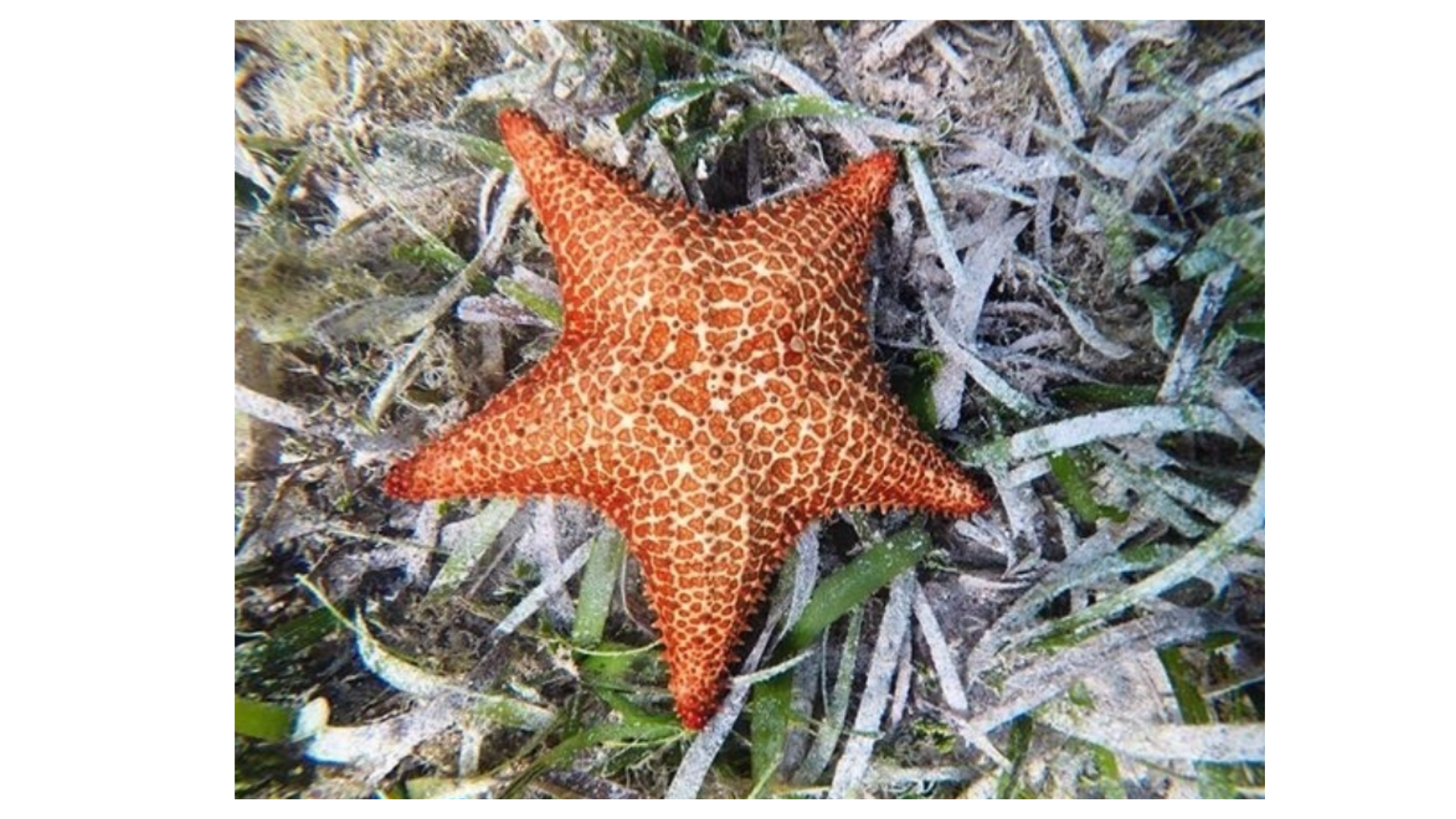
In Bocas del Toro, Panama, this issue is becoming increasingly visible. The accommodation landscape has shifted rapidly in recent years, with short-term rentals now rivaling—and in some cases exceeding—the scale of the traditional hotel sector. There are an estimated 485 active short-term rental listings across the archipelago, a number that has grown quickly over the past five years amid low regulation, rising tourism demand, and increased investment from expats and remote workers. While hotel development has remained mainly geographically concentrated, short-term rentals have expanded quickly and in a more dispersed pattern. This decentralization is reshaping not only how visitors stay, but how tourism growth impacts the destination.
Airbnb should take this impact into account in its policies, particularly given the evolving ways the platform is being used and its role in financing large-scale development across many low- and middle-income countries.

Generally speaking, a booming tourism scene has not been good news for animals: wild, domestic, and farmed. As tourism infrastructure expands, habitat often shrinks, and demand for animal-based food and animal experiences often increases. There is a particular irony in destinations known for their wildlife: the very development designed to accommodate visitors who want to see these animals can end up destroying the ecosystems they depend on.
Bocas del Toro is home to an incredible range of species, including dolphins, sea turtles, reef fish, rays, nurse sharks, sloths, howler and capuchin monkeys, iguanas, and tropical birds like toucans and parrots. Its forests also support a variety of amphibians, including red and strawberry poison dart frogs, hourglass tree frogs, masked tree frogs, and smoky jungle frogs. These are some of the species that draw visitors to the region in the first place.
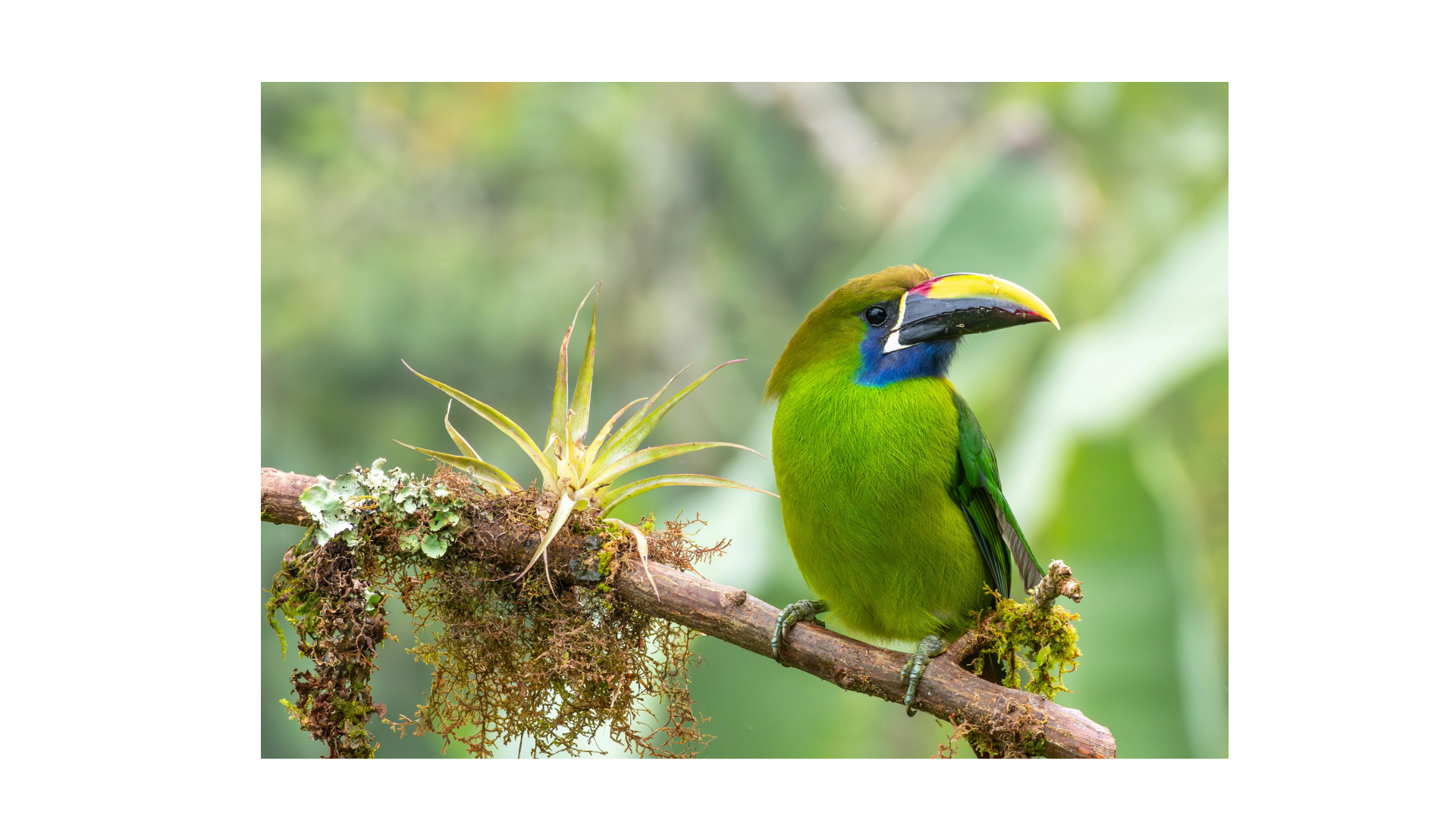
If wildlife is part of why you travel, make sure your choices help protect the ecosystems those animals depend on.
Tourism has a long history of “loving a place to death,” but Bocas still has an opportunity to take a different path—before its natural resources are degraded or lost. Many residents are already working toward that goal. Addressing these impacts requires action at multiple levels. At a systemic level, short-term rentals need to be treated as core tourism infrastructure, subject to zoning, environmental review, and density limits that protect sensitive ecosystems. Tools such as permitting tied to ecological impact, caps in high-risk areas, and reinvestment of tourism revenue into conservation can help rebalance growth.
At the local level, stronger destination management is critical. Community-led land use planning, partnerships with research institutions like the School for Field Studies (who were kind enough to host me) to map critical habitats, and support for conservation-minded operators such as La Loma Jungle Lodge and Tranquilo Bay Eco Adventure Lodge Casa Cayuco, and Nayara, can help concentrate tourism in ways that reduce fragmentation and protect biodiversity. At the individual level, travelers also play a meaningful role. Choosing accommodations that prioritize sustainability, supporting organizations like Caribbean Coral Restoration, and asking informed questions about environmental practices all contribute to shaping the system. Additionally, there are a host of community-based organizations who base their work on the intersection of natural resources and local culture such as Noba Chocolate Farm, Timorogo in Bahia Honda and Darklands Foundation work in San Cristobal. While any single decision may seem small, collectively they influence what types of tourism continue to grow.
Before booking, ask hosts and operators how their property manages habitat protection, waste, water use, and wildlife impacts. If they cannot answer clearly, consider that part of your decision.
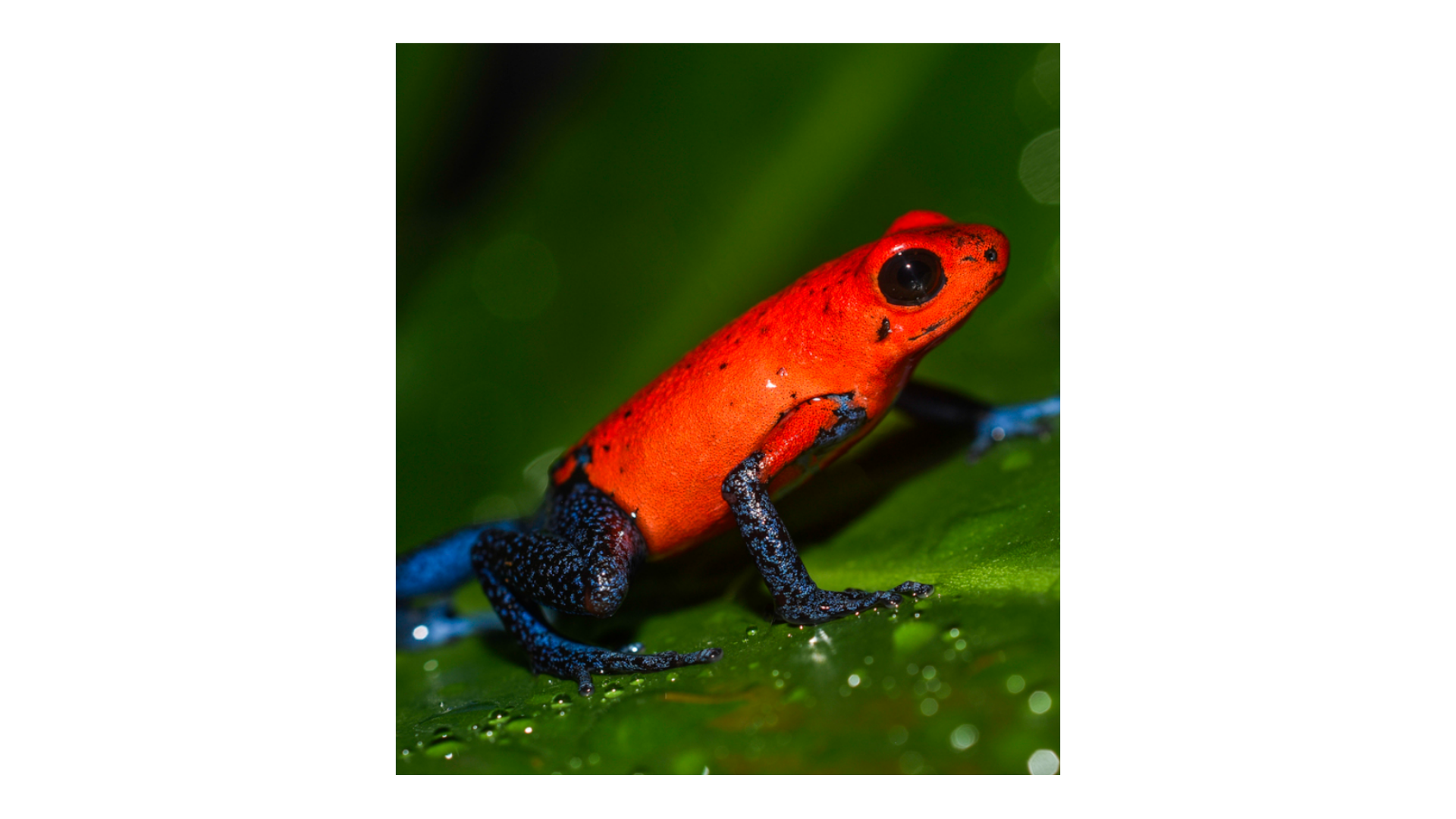
Short-term rentals become problematic when their growth is uncoordinated, unregulated, and disconnected from ecological limits. The path forward is to make impact visible, measurable, and tied to decision-making—so that tourism development supports, rather than fragments, the ecosystems that define places like Bocas del Toro.
Travelers have more influence than they often realize. Choose accommodations and experiences that reward stewardship, not unchecked expansion.
The community members of Bocas will thank you—including the resident sloths and the frogs.
Mach, L., Guttentag, D., Strombom, S., Bloom, S. J., & Stroud, M. (2025). Lifestyle migration and the emergence of ‘Airbnburbs’ in the Global South. Tourism Geographies, 27(5), 917-938.
