
How to Make Your Next Event More Animal-Friendly
Author: Carol Kline & Cadence JagodzinskI
Published: September 14, 2026
ESTIMATED READING TIME: 6-7 MINUTES
When you think about an event do you consider the direct impact it may have on animals, even if there are none present? When it comes to making an event more sustainable or responsible, we often think about reducing plastic, recycling, or choosing a more sustainable venue. But there is another consideration that can easily be overlooked: animals.
Whether you are planning a conference, wedding, fundraiser, festival, corporate meeting, or a gathering with your friends, many of the choices you make behind the scenes will have an impact on animals. The good news is making an event more animal friendly does not necessarily require completely changing the way you plan. Often, it is about paying attention to the smaller details, from what is on the menu to the entertainment you choose. Here are some ways event planners,individuals, and even guests can help make events more animal-friendly.
1. Put Plants on the Menu
Food is one of the biggest opportunities to incorporate animal-friendly choices into an event. Instead of treating plant-based food as an afterthought or as an option only for vegan attendees, consider making fun plant-based dishes a major part of the menu. Plant-based catering has become increasingly accessible, and it does not have to mean serving a basic salad, tacos, pasta dishes, curries, grain bowls, sliders, desserts, appetizers, and many other event favorites can easily be made without animal products. Organizations are already incorporating this approach into their event guidance. Not every event or meal has to be completely plant-based, however increasing the number, variety, and visibility of plant-based options is a meaningful place to start. When working with a caterer or making the menu yourself, consider asking:
What plant-based entrées can we offer?
Can plant-based dishes be presented as part of the main menu rather than as a special dietary request?
Are plant-based milks available for coffee and tea?
Which appetizers and desserts can be easily made without animal products?
2. Look Beyond the Main Meal
Sometimes the smallest details are the easiest to overlook. Think about everything guests may consume throughout the event, not just the main meal. Whether it is the milk at the coffee station, butter served with bread, cheese on an appetizer or even gifts and party favors can contain animal derived ingredients or materials. If an event lasts an entire day, those little choices can add up. Instead, consider offering plant-based milk alongside coffee, choosing snacks that work for a wider range of dietary preferences, including vegan desserts, and clearly labeling food. (For a quick reference on ethical chocolates, see this resource.) This is where an animal-friendly approach becomes less about one dramatic big decision and more about building consideration for animals into the entire planning process.
3. Rethink Animal Entertainment
Animals can sometimes appear at events as entertainment, photo opportunities, exhibits, or attractions. Before including an animal experience, consider what participation may mean from the animal's perspective. A memorable event does not need an animal encounter to be exciting. Consider alternatives that allow people to appreciate animals without requiring animals to perform or interact with crowds. Great alternatives include conservation speakers, wildlife photographers, educational activity, virtual wildlife experience, or partnership with a reliable animal protection organization that can bring animals into the conversation without making an animal part of the “entertainment”.
Kids’ birthday parties and stress-relief pop-ups where many people touch animals are another form of animal entertainment worth reconsidering. Think about the experience from the animal’s perspective: Could constant handling, noise, and unfamiliar people cause stress or discomfort? There are plenty of animal-friendly alternatives, such as arts and crafts, educational activities about animals, making stress balls, or volunteering at a local animal shelter. Before participating, consider whether the activity that helps you relax may be creating stress for the animal.
4. Think About Decorations and Event Materials
Animal-friendly event planning can extend all the way to decor. Before purchasing decorations, gifts, awards, or event merchandise, look at what they are made from. Products may contain leather, fur, feathers, wool, silk, shells, or other animal derived materials. This does not mean planners need to inspect every decoration with a magnifying glass. Instead, it is about developing the habit of asking one additional question: Is there an animal-friendly alternative?
5. Consider Wildlife When Choosing a Venue
The animals affected by an event are not necessarily always inside the venue. Outdoor events, festivals, destination weddings, and large gatherings can affect surrounding wildlife through noise, lighting, trash, transportation, increased human activity, etc. When planning an outdoor event, learn about the environment surrounding the venue. Are there nesting animals nearby? Could bright nighttime lighting disturb wildlife? Could food waste attract animals? Could decorations or trash enter surrounding habitats? Events are another opportunity to remember that the places we visit and gather are also habitats and in some cases, a home for many animals. Choosing an appropriate location and managing waste, lighting, and noise responsibly can help reduce unnecessary disturbance. Do not defer all decision-making to the venue owner or animal handler. You are responsible for exercising your own judgment and making decisions that prioritize animal welfare.
6. Ask Your Vendors Questions
Event planners have purchasing power and can get a lot of information on everything needed for your event. When choosing a caterer, venue, hotel, activity provider, entertainment company, or other vendor, asking about animal welfare practices signals that these issues matter to you and can help the event planner be mindful of their next event as well. Asking the question matters. Businesses pay attention to what their customers request. Try asking:
Do you offer plant-based menu options?
Where do your ingredients or materials come from?
Do any of your activities involve live animals?
What animal-welfare standards do you or your suppliers follow?
Are there cruelty-free alternatives available to soaps, lotions, and other personal products?
7. Tell Guests What You're Doing—and Why
If you have put effort into making an event more animal-friendly, tell people about it! A small note on the menu, event website, program, or welcome sign can explain why certain choices were made. Communication turns a behind-the-scenes planning choice into an opportunity for education. It can also introduce someone to an idea they may carry into their next event, vacation, or everyday life.
Small Details Can Create Bigger Change
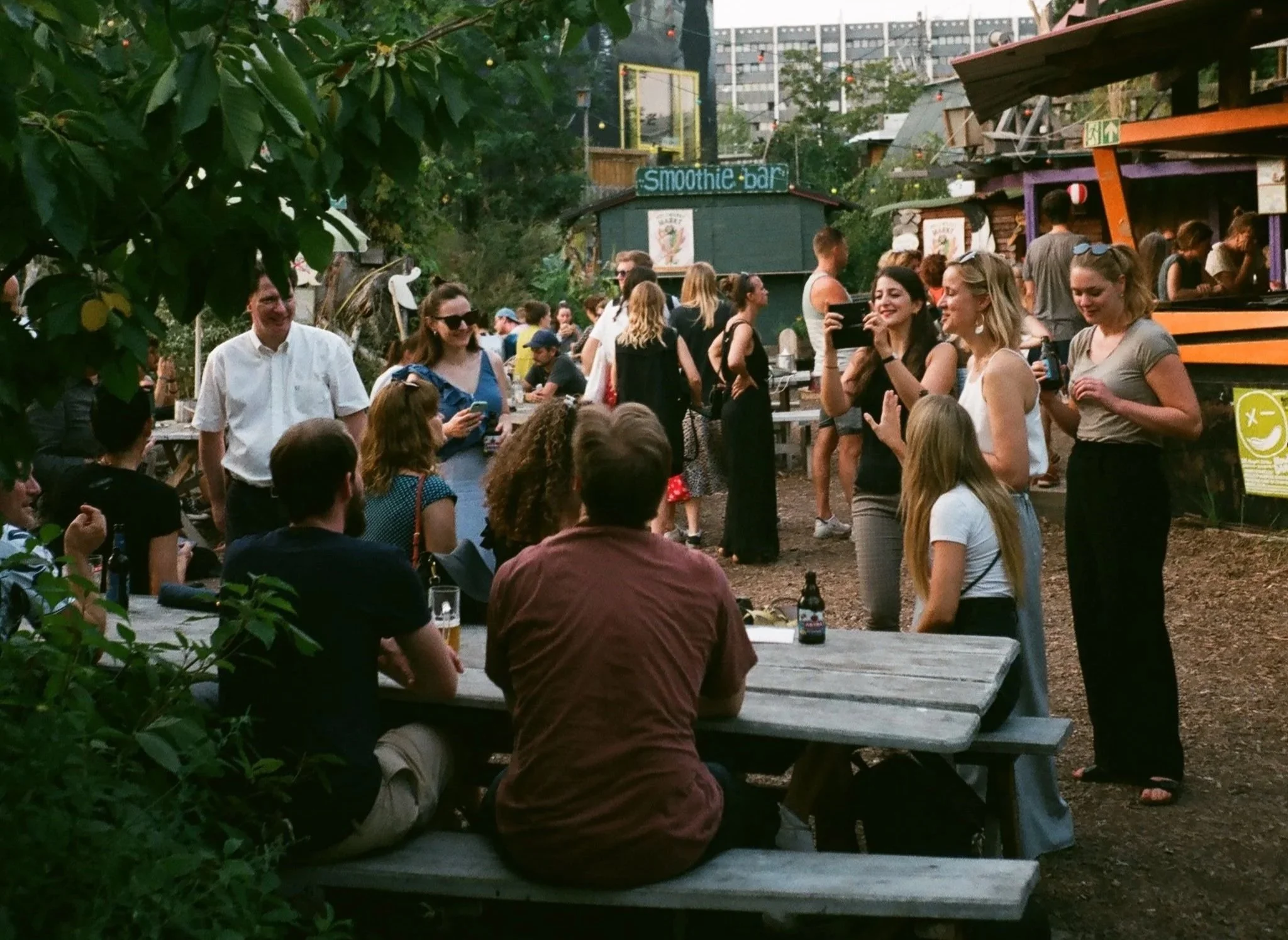
There is no single checklist that will make every event perfectly animal-friendly. A corporate conference will have different considerations than a destination wedding, outdoor festival, children’s birthday party, or community fundraiser. What matters is beginning to include animals in the conversation and spreading awareness. Individually, these choices may seem small, but events bring together people, businesses, venues, destinations, and organizations. That gives event planners (and you!) an opportunity to influence far more than what happens during a few hours in one room. Animal-friendly event planning is not about making an event less enjoyable; it’s about looking at the experience from another perspective and recognizing that where we gather can be another place where animals matter.
References
FOUR PAWS International. (n.d.). Hosting an animal-friendly event. https://www.four-paws.org/campaigns-topics/topics/nutrition/hosting-an-animal-friendly-event
Harvard University. (2025). Harvard sustainable meeting & event guide. https://sustainable.harvard.edu/wp-content/uploads/2025/07/Sustainable-Meeting-and-Event-Guide.pdf
National Park Service. (n.d.). Effects of noise on wildlife. U.S. Department of the Interior. https://www.nps.gov/subjects/sound/effects_wildlife.htm
Qaim, M., Barrangou, R., & Ronald, P. C. (2024). Sustainability of animal-sourced foods and plant-based alternatives. Proceedings of the National Academy of Sciences of the United States of America, 121(50), e2400495121. https://doi.org/10.1073/pnas.2400495121
World Animal Protection. (2026, January 27). Animals are not entertainment: Truth behind captive wildlife attractions. https://www.worldanimalprotection.org/latest/blogs/truth-behind-captive-wildlife-attractions/
