
World Animal Day 2026 + Celebrating the Places Where Animals Matter
Author: Carol Kline & Cadence JagodzinskI
Published: October 1, 2026
ESTIMATED READING TIME: 6-8 MINUTES
Every October 4, people around the world celebrate World Animal Day—a day to recognize animals, raise awareness about their welfare, and consider the many ways our lives are connected to theirs. This year, we ask what if we thought about World Animal Day through the lens of travel?
We see wildlife in national parks and birds in city squares. We encounter animals in markets, restaurants, attractions, souvenirs, and cultural traditions. We make choices about what we eat, what we buy, what we photograph, and which experiences we choose to support. It is something we do within communities - communities that are shared with animals.
This World Animal Day, we’re inviting you to see the world through their eyes. Think about a beach you love to visit. It might be a place to swim, relax, and watch the sunset. For a nesting sea turtle, that same beach is where she needs space and darkness to lay her eggs. Or consider a wildlife encounter you’ve seen advertised. It may promise visitors a close-up photo, but what is that experience like for the animal being approached, fed, or handled all day?
Asking these questions doesn’t take the fun out of travel. It helps us appreciate that the places we enjoy are home to other living beings, too.
So how do we consider a destination from an animal's perspective? What does a busy tourism attraction feel like to an animal who is part of it? What happens to the animals whose bodies become a culinary "experience" or a souvenir? How long do animals who pull carts or carry people have to work each day, and are their needs being met more than just for survival? And what does a destination look like when the needs of animals and ecosystems are considered alongside the needs of visitors?
These aren't always easy questions. And they aren't intended to take the joy out of travel. Ultimately, these questions can increase our enjoyment and understanding of animals while traveling.
Animals are part of the places we love
One of the best things about travel is that it connects us with places that are different from our own. We seek out mountains, forests, coastlines, cities, farms, deserts, islands, rivers, and villages. We travel to see landscapes and wildlife, to experience different cultures, meet people, and to understand the world beyond our everyday lives.
Animals are woven into all of those places. They are part of ecosystems. They shape landscapes. They pollinate plants, disperse seeds, control populations, and contribute to the health of the environments that make destinations special. They are part of the cultural and economic fabric of many communities.Tourism can create opportunities to protect those relationships. But tourism can also place pressure on them. That means the tourism industry- and travelers themselves - have an important role to play in determining what kind of relationship we want tourism to have with animals.
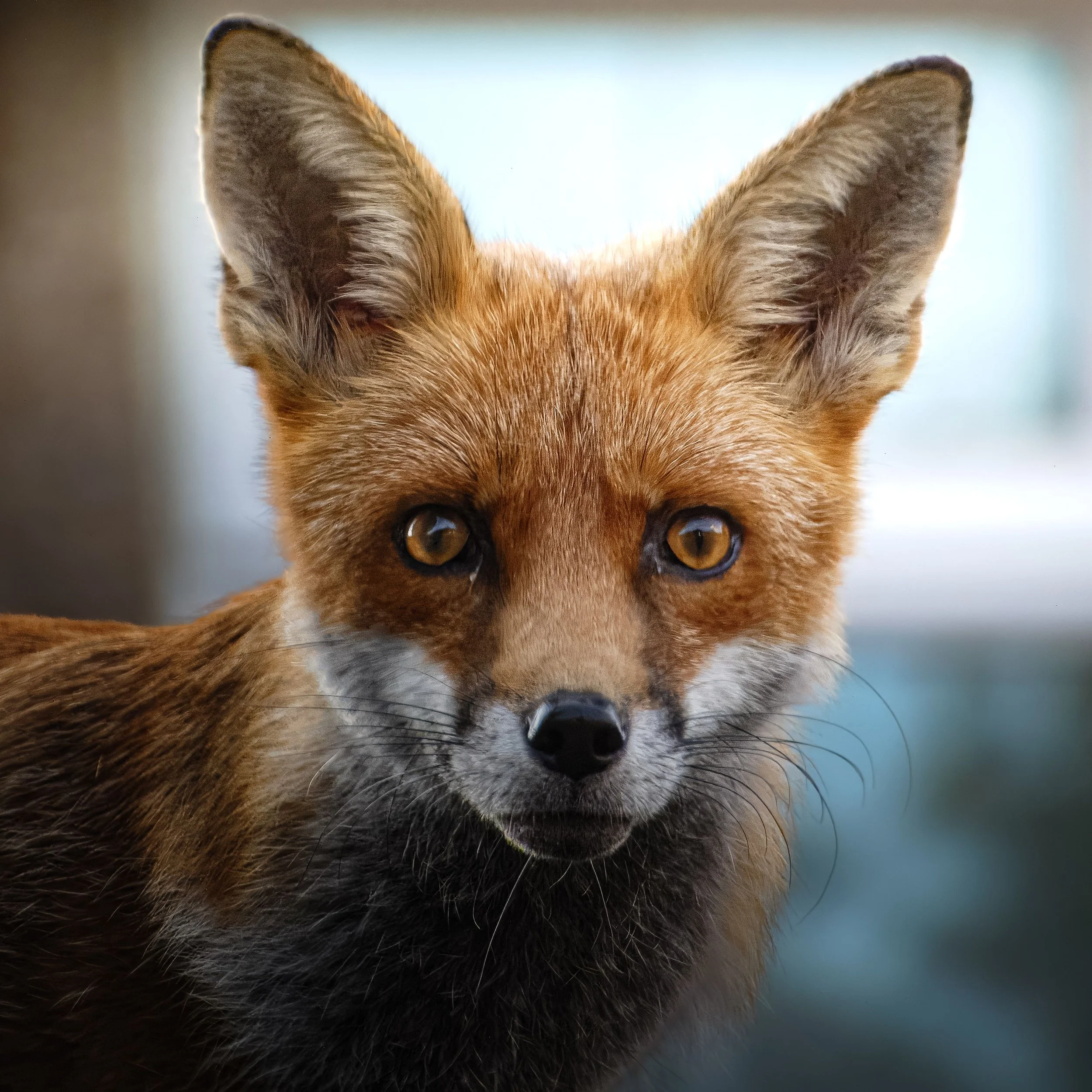
Animal-friendly destinations
An animal-friendly destination isn't necessarily a place where you can see the most animals. It may be a place where you can experience wildlife without requiring animals to perform. It may be a destination that protects habitat and gives wildlife space. It may be a city with restaurants that make plant-based choices easy and appealing.
It may be a community that protects free-roaming animals rather than treating them simply as a nuisance. It may be a tour operator that has decided an animal encounter isn't worth offering if it compromises the animal's welfare. It may be a destination that recognizes that the way animals are treated is part of the story it tells visitors about itself. And sometimes, an animal-friendly choice is simply leaving an animal alone.
We often talk about tourism's economic impact. Tourism brings visitors, supports businesses, creates jobs, generates tax revenue, and contributes to local economies. Tourism reaches millions of people. It influences what travelers eat, what experiences they seek, what businesses they support, what souvenirs they purchase, and what they come to value.
A traveler who discovers an incredible plant-based meal while on vacation may rethink what they eat at home. A visitor who learns why a souvenir should stay where it belongs may think twice before buying another animal-derived product. An operator who sells an unforgettable wildlife experience that respects animals may get even more clients because of the increased word of mouth. A destination that amplifies animal-friendly choices can help those choices become part of the travel experience itself. In other words, tourism doesn't have to simply reflect our values. It can help shape them.
Celebrating the places Where Animals Matter
World Animal Day is a celebration—but it's also an invitation to pay attention.
To notice the animals sharing our cities.
To appreciate the wildlife that makes a destination unique.
To recognize the animals whose lives intersect with tourism in ways both obvious and hidden.
And to celebrate the people, businesses, communities, and destinations working to create a different kind of relationship between tourism and animals.
Food, attractions, souvenirs, and tourism experiences don't require animal suffering to make them memorable. On October 4, wherever you are, take a moment to look around.
And if you'd like to turn that thinking into action, Where Animals Matter will be bringing people together this World Animal Day through our Travel Pledge, Animal Travel Clubs, and a special live event happening at Noon EDT, all designed to help travelers see the world a little differently and make choices that help create more places where animals matter.
Small Details Can Create Bigger Change
There is no single checklist that will make every event perfectly animal-friendly. A corporate conference will have different considerations than a destination wedding, outdoor festival, children’s birthday party, or community fundraiser. What matters is beginning to include animals in the conversation and spreading awareness. Individually, these choices may seem small, but events bring together people, businesses, venues, destinations, and organizations. That gives event planners (and you!) an opportunity to influence far more than what happens during a few hours in one room. Animal-friendly event planning is not about making an event less enjoyable; it’s about looking at the experience from another perspective and recognizing that where we gather can be another place where animals matter.
